
Numbers
Number resources
Bind purchased, ported, or connected numbers to workspaces, policies, and channels with provider provenance.
MobDial coordinates configured communications providers, routing policy, health signals, number resources, failover, and operational telemetry behind MobDial-owned workflows and APIs. Provider ownership, availability, and coverage remain explicit.
Routing control
Product workspace preview
Queue
Healthy
Provider
Ready
Fallback
Armed
Live workflow
Execution guardrails
Multi-provider
Configure supported providers behind canonical MobDial routing and resource bindings
Policy-aware
Evaluate workspace, route, compliance, health, and destination state before execution
Observable
Keep provider choice, outcome, failure state, and reconciliation visible to operators
Failover-ready
Design fallback paths without hiding which provider ultimately carried the workload
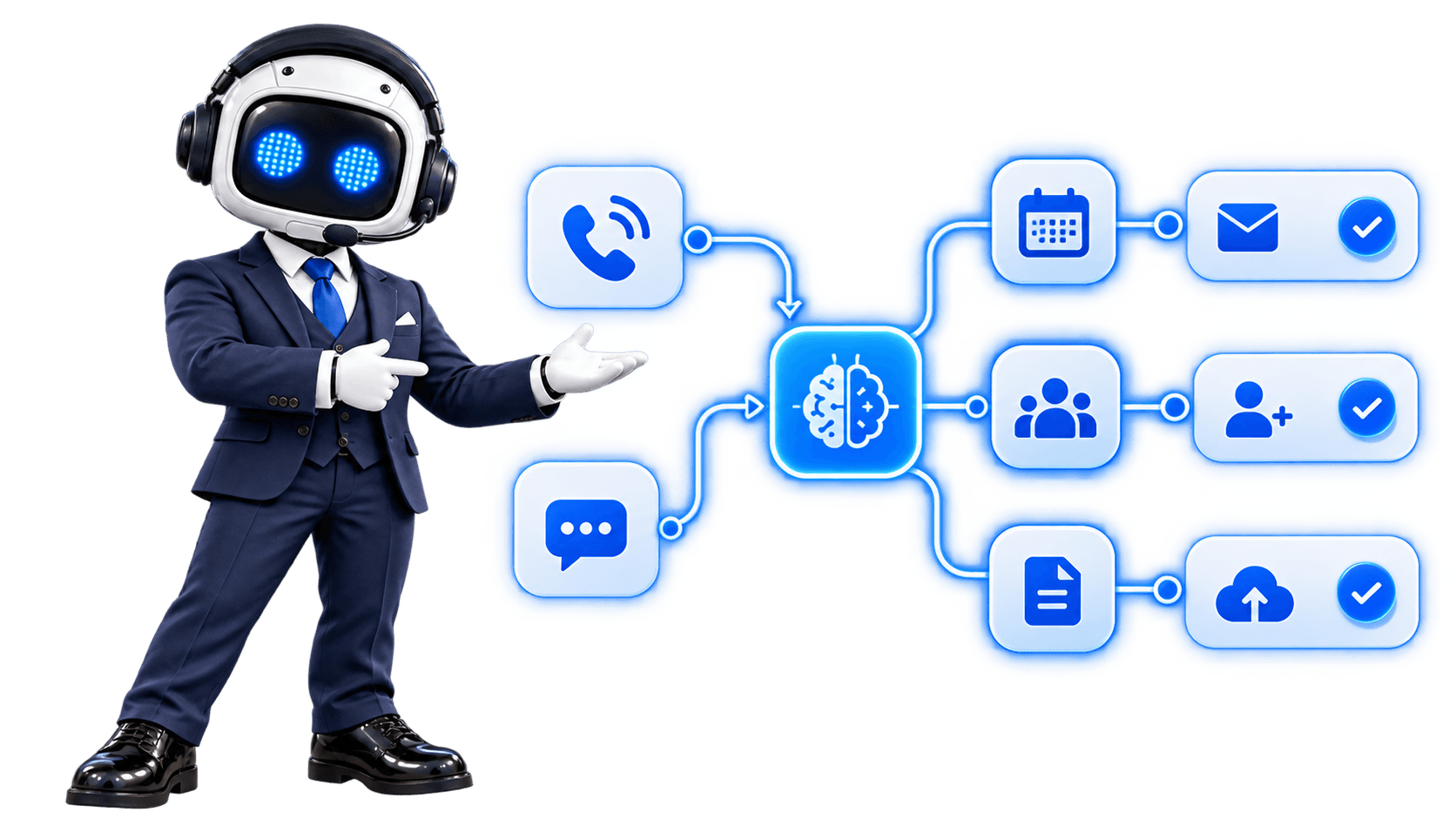
MobDial should abstract provider complexity without pretending provider infrastructure is MobDial-owned. Routing, health, identity, policy, and reconciliation stay explicit.
Select eligible routes using policy, provider readiness, destination, and workspace configuration.
ExploreRun calls through configured voice providers while preserving canonical MobDial call and conversation state.
ExploreUse configured messaging routes while keeping consent, sender, delivery, and conversation state connected.
ExploreBind purchased, ported, or connected numbers to workspaces, policies, and channels with provider provenance.
Represent provider health and fallback state so routing decisions can fail safely and visibly.
Track provider identifiers, lifecycle events, usage, and outcomes against MobDial resources.
Identify channel, destination, workspace, policy, number, and required capabilities.
Apply configured readiness, routing, compliance, and fallback rules before execution.
Write delivery, usage, failure, and provider identifiers back into canonical MobDial records.
Use MobDial to coordinate providers, policies, channels, and operational evidence without coupling every workflow to one carrier interface.